

How do ball materials change with different weather conditions?
Ball materials play a crucial role in the performance and durability of various balls, whether it's a football, basketball, or volleyball. As a leading ball materials supplier, we understand the significance of how different weather conditions can impact these materials. In this blog, we'll explore the fascinating ways in which ball materials change with different weather conditions and how we, as a supplier, ensure that our products meet the highest standards regardless of the environment.
Effects of Hot and Dry Weather
Hot and dry weather can have a significant impact on ball materials. One of the most common issues is the drying out of the materials. For instance, leather balls, which are popular in sports like football and rugby, can become brittle and lose their flexibility in hot and dry conditions. This is because the natural oils in the leather evaporate, causing it to harden. As a result, the ball may become less responsive and more difficult to control.
To combat this problem, we offer high - quality materials that are treated to resist drying. Our [Noctilucent PU Leather](/ball - materials/noctilucent - pu - leather.html) is a great example. PU leather is a synthetic alternative to natural leather that has excellent moisture - resistance properties. It retains its flexibility even in hot and dry weather, ensuring that the ball maintains its performance. The noctilucent feature also adds an extra element of fun, making it suitable for night games.

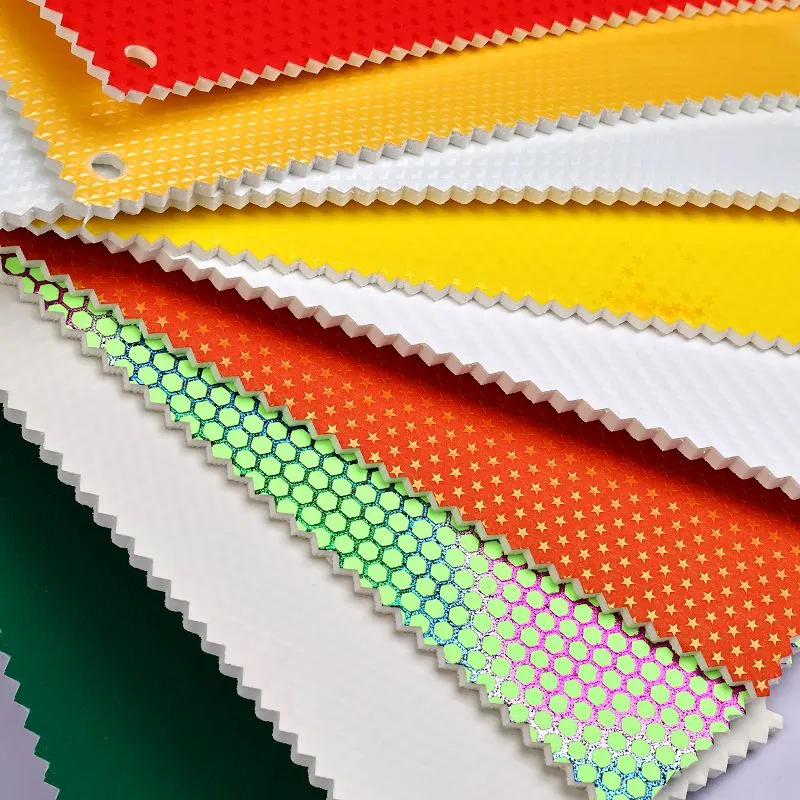
Another issue in hot weather is the expansion of materials. When the temperature rises, the molecules in the ball materials start to move more vigorously, causing the ball to expand slightly. This can affect the ball's shape and weight distribution. For balls made from rubber or PVC, such as [Soccer Ball PVC Leather](/ball - materials/soccer - ball - pvc - leather.html), we use advanced manufacturing techniques to ensure that the materials can withstand the expansion without losing their structural integrity. Our PVC leather is formulated to have a high degree of thermal stability, which means it can maintain its shape and performance even in high - temperature environments.
Impact of Cold and Wet Weather
Cold and wet weather presents a different set of challenges for ball materials. In cold temperatures, materials become stiffer and less elastic. For example, natural rubber balls can lose their bounce and become more difficult to handle. The water in wet conditions can also seep into the materials, causing them to swell and gain weight.
Our [Machine Stitched Football Material](/ball - materials/machine - stitched - football - material - factory.html) is designed to perform well in cold and wet weather. The machine - stitched construction provides a tight seal that prevents water from penetrating the ball. Additionally, the materials used in our machine - stitched footballs are treated to be more flexible in cold temperatures. We use special additives in the manufacturing process that lower the glass transition temperature of the materials, allowing them to remain pliable even in freezing conditions.
Wet weather can also lead to the growth of mold and mildew on ball materials. This is not only unsightly but can also affect the performance and lifespan of the ball. To prevent this, we treat our materials with anti - microbial agents. These agents inhibit the growth of mold and mildew, ensuring that the balls remain clean and hygienic even in damp conditions.
Humid Weather Considerations
Humid weather is characterized by high levels of moisture in the air. This can cause ball materials to absorb moisture, leading to changes in their weight and performance. Leather balls, in particular, are susceptible to moisture absorption. When leather absorbs moisture, it can become soft and lose its shape.
Our range of ball materials is designed to resist moisture absorption in humid conditions. The synthetic materials we use, such as PU and PVC, have low water absorption rates. They are also coated with a waterproof layer that further protects them from the effects of humidity. This ensures that the balls maintain their shape, weight, and performance, even in extremely humid environments.
Testing and Quality Assurance
As a ball materials supplier, we take quality seriously. We conduct extensive testing on our materials under different weather conditions to ensure that they meet our strict quality standards. Our testing facilities are equipped with state - of - the - art equipment that can simulate a wide range of weather conditions, from extreme heat to freezing cold and high humidity.
We test the materials for various properties, including flexibility, durability, water resistance, and anti - microbial properties. Only materials that pass our rigorous testing are approved for production. This way, we can guarantee that our customers receive ball materials that are reliable and perform well in any weather condition.
Customization for Specific Weather Conditions
We understand that different regions have different weather patterns, and our customers may have specific requirements for their ball materials. That's why we offer customization services. Whether you need a ball material that is specifically designed for hot and dry climates or one that can withstand cold and wet conditions, our team of experts can work with you to develop a customized solution.
We have a wide range of raw materials and manufacturing techniques at our disposal, allowing us to create ball materials that are tailored to your exact needs. Our goal is to provide you with the best possible ball materials that will enhance the performance of your balls and meet the demands of your target market.
Conclusion
In conclusion, weather conditions have a profound impact on ball materials. As a ball materials supplier, we are committed to providing high - quality materials that can withstand the challenges posed by different weather conditions. Our [Noctilucent PU Leather](/ball - materials/noctilucent - pu - leather.html), [Machine Stitched Football Material](/ball - materials/machine - stitched - football - material - factory.html), and [Soccer Ball PVC Leather](/ball - materials/soccer - ball - pvc - leather.html) are just a few examples of our products that are designed to perform well in various environments.
If you are in the market for ball materials, we invite you to contact us for a procurement discussion. Our team of experts will be happy to assist you in finding the right materials for your needs. Whether you are a ball manufacturer or a sports equipment distributor, we have the solutions to meet your requirements.
References
- ASTM International. (2023). Standards for testing sports equipment materials.
- Sports Equipment and Safety Association. (2022). Guidelines for material selection in ball manufacturing.
- Journal of Sports Engineering and Technology. (2021 - 2023). Research on the impact of weather on ball materials.