

Is Volleyball TPU Leather environmentally friendly?
Hey there! I'm a supplier of Volleyball TPU Leather, and today I wanna chat about whether our product is environmentally friendly. As someone who's been in this business for a while, I've seen a lot of questions pop up about the environmental impact of different materials, especially in the sports equipment industry. So, let's dig into the world of Volleyball TPU Leather and see where it stands in terms of being eco - friendly.
What is Volleyball TPU Leather?
First off, let's quickly go over what TPU leather is. TPU stands for Thermoplastic Polyurethane. It's a type of synthetic material that's often used as an alternative to real leather. In the case of volleyballs, TPU leather offers a bunch of advantages. It's durable, which means volleyballs made from it can last a long time. It's also water - resistant, so you don't have to worry too much if the ball gets a bit wet during a game.
When compared to natural leather, TPU leather can be produced more consistently. Natural leather has variations in texture and quality, but with TPU, manufacturers can control the properties more precisely. This makes it a popular choice for sports equipment manufacturers who want to ensure a high - quality and uniform product.
The Environmental Pros of Volleyball TPU Leather
One of the biggest environmental upsides of Volleyball TPU Leather is that it doesn't require the use of animals. Real leather comes from animal hides, usually cows. The leather industry has a significant environmental footprint in terms of land use, water consumption, and greenhouse gas emissions. Raising cattle for leather production requires large amounts of land for grazing and growing feed. It also consumes a huge amount of water, both for the animals to drink and for processing the hides.
In contrast, TPU leather is a synthetic material. Its production doesn't involve animal agriculture, so it helps reduce the pressure on the environment associated with livestock farming. This is a major win for those who are concerned about animal welfare and the environmental impact of the meat and leather industries.
Another positive aspect is that TPU leather can be recycled. Unlike some other synthetic materials, TPU has the potential to be broken down and re - used in the production of new products. Recycling TPU leather reduces the amount of waste that ends up in landfills. When a volleyball made from TPU leather reaches the end of its life, instead of being thrown away, it can be recycled into something else. This closed - loop system is an important part of creating a more sustainable future.
The Environmental Cons of Volleyball TPU Leather
However, it's not all sunshine and rainbows. The production of TPU leather does have some environmental drawbacks. The raw materials used to make TPU are derived from petrochemicals. Petrochemicals are non - renewable resources, and their extraction and processing can have a negative impact on the environment. Drilling for oil and gas, which are the sources of petrochemicals, can cause habitat destruction, water pollution, and air pollution.
The manufacturing process of TPU leather also consumes energy. Factories need to heat and cool the materials at various stages of production, which requires a significant amount of electricity. In many parts of the world, this electricity is generated from fossil fuels, which contribute to greenhouse gas emissions and climate change.
Moreover, while TPU leather can be recycled in theory, in practice, the recycling infrastructure for it is still limited. Not all recycling facilities are equipped to handle TPU, so a lot of TPU leather products still end up in landfills. This is a challenge that the industry needs to address if it wants to become more environmentally friendly.
Comparing with Other Ball Materials
Let's take a look at how Volleyball TPU Leather stacks up against other ball materials. For example, Football Interwoven Fabric is another option for sports balls. Interwoven fabric is often made from a combination of natural and synthetic fibers. It can be lightweight and flexible, but its durability might not be as good as TPU leather. From an environmental perspective, if the fabric contains natural fibers like cotton, it also has an environmental impact related to agriculture, such as water use and pesticide application.
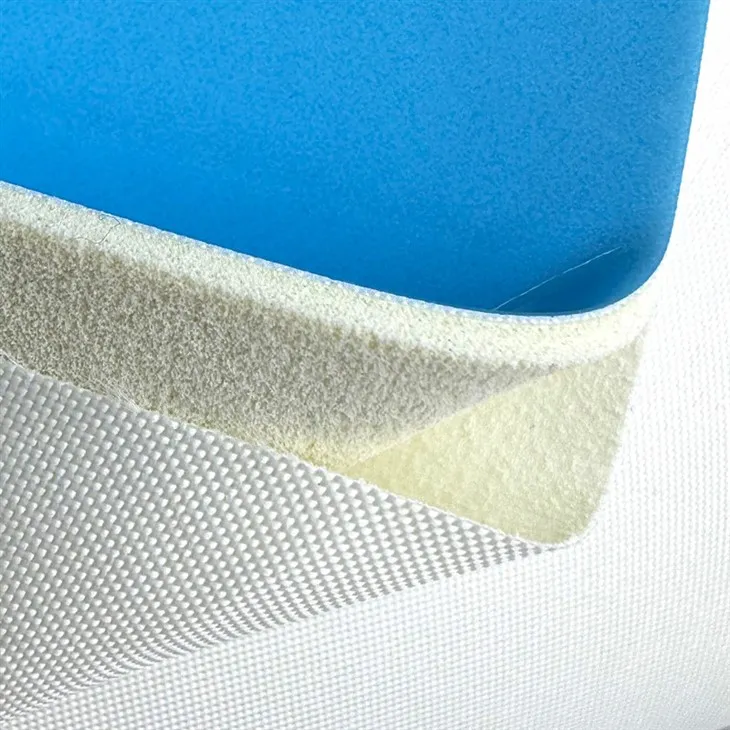
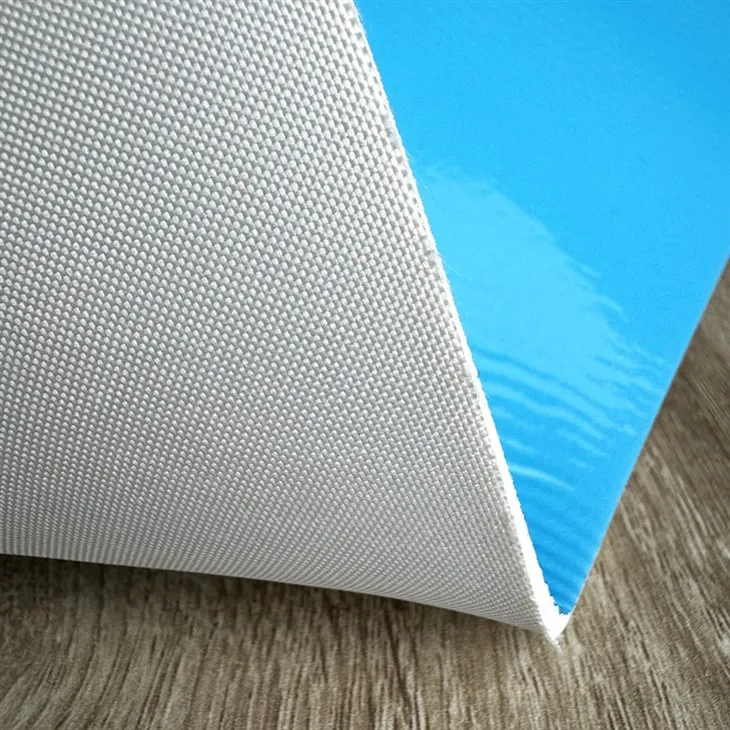
Football Oxford Fabric is also commonly used. Oxford fabric is usually made from synthetic fibers. Similar to TPU leather, its production involves petrochemicals, so it has a similar issue of relying on non - renewable resources. However, the manufacturing process and recycling potential can vary between the two materials.
Noctilucent TPU Leather is a special type of TPU leather that has the ability to glow in the dark. It has the same basic environmental pros and cons as regular TPU leather, but the addition of the noctilucent properties might involve some additional chemicals in the production process, which could potentially have an environmental impact.
What We're Doing to Improve
As a Volleyball TPU Leather supplier, we're aware of these environmental issues, and we're taking steps to make our product more sustainable. We're working on finding alternative raw materials that are less dependent on petrochemicals. Some researchers are exploring the use of bio - based polymers, which are derived from renewable resources like plants. If we can switch to these bio - based materials, it would significantly reduce the environmental impact of our TPU leather.
We're also trying to improve the recycling process. We're collaborating with recycling facilities to develop better methods for recycling TPU leather. By making it easier and more cost - effective to recycle our product, we can increase the percentage of TPU leather that gets recycled instead of ending up in landfills.
Conclusion
So, is Volleyball TPU Leather environmentally friendly? Well, it's a bit of a mixed bag. On one hand, it has some clear environmental advantages over real leather, such as not involving animal agriculture and having the potential for recycling. On the other hand, its production is still reliant on non - renewable resources and has some energy - intensive processes.
However, the future looks promising. With ongoing research and development, we're getting closer to making Volleyball TPU Leather a more sustainable option. As consumers, you can also play a role. By choosing products made from more sustainable materials and supporting companies that are committed to environmental responsibility, you can help drive the industry towards a greener future.
If you're interested in our Volleyball TPU Leather or want to learn more about our sustainability efforts, feel free to reach out for a chat. We're always happy to discuss our products and how we're working to make them better for the environment. Let's work together to make sports equipment more eco - friendly!
References
- "Synthetic Leather: Production, Properties, and Environmental Impact." Journal of Materials Science.
- "The Environmental Impact of the Leather Industry." Environmental Science and Technology.
- "Recycling of Thermoplastic Polyurethane: A Review." Polymer Recycling Journal.