

How to Choose the Best Indoor Volleyball: Top Tips and Reviews
Selecting the right indoor volleyball involves considering several factors, including material, size, weight, and suitable venues.
First, the material is a crucial factor affecting the ball's feel, durability, and performance. Synthetic leather volleyballs are widely used in schools and clubs with frequent use due to their durability and ease of maintenance. Synthetic leather has good abrasion resistance and waterproof performance, making it very suitable for training and competition. PU (polyurethane) volleyballs have a soft feel and good elasticity, while maintaining good grip and touch, making them very suitable for high-frequency training and competition venues. They offer a balance in price and performance, making them a common choice for many clubs and schools.
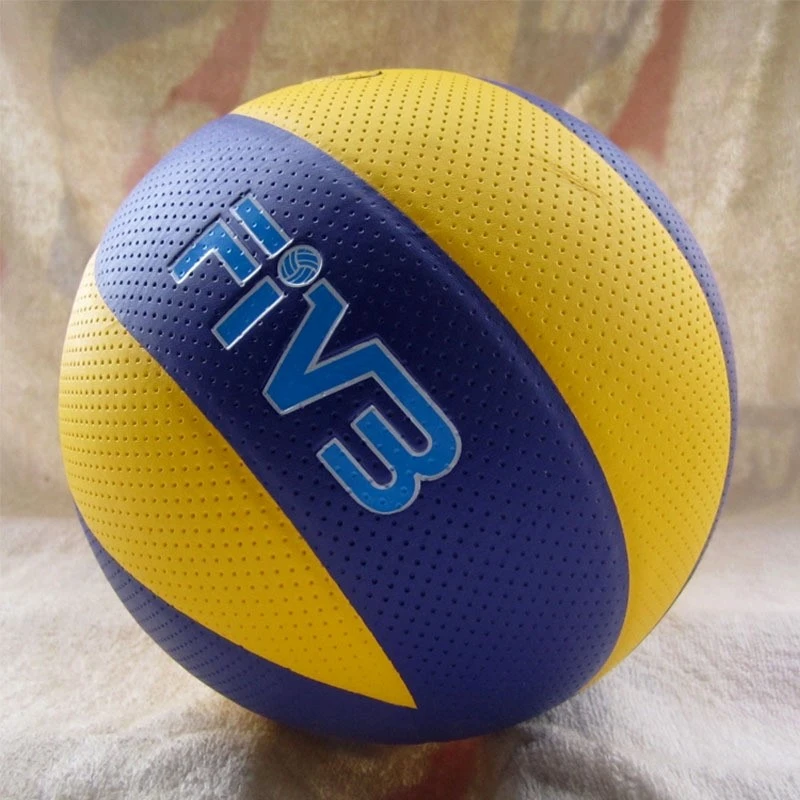
The standard size and weight of a volleyball are specified by the International Volleyball Federation (FIVB), with a circumference of 65-67 centimeters and a weight of 260-280 grams. Choosing a volleyball that meets these standards ensures that the ball used in training and competition is consistent with those used in official matches, thereby improving players' adaptability and performance. The type of venue also affects the choice of volleyball, as different types of floors have different requirements for the ball's wear and performance.
Wooden floors and synthetic floors are usually used for professional matches and advanced training venues. These venues are suitable for PU or other synthetic leather volleyballs because these materials provide good grip and feel on such floors, ensuring the ball's durability and performance. Rubber or PVC floors are common in schools and amateur clubs. These types of floors are also suitable for PU or other synthetic leather volleyballs, as these materials perform better in terms of durability and performance on such floors, and are also more cost-effective.
In addition, the air pressure of the volleyball significantly affects its performance. Usually, the volleyball should be maintained at an air pressure of 0.30-0.325 kg/cm² to ensure optimal elasticity and feel. Choosing well-known brands such as Mikasa, Molten, and Wilson, which have high reputations for quality and durability, can provide stable performance and user experience.
When selecting a volleyball, it is essential to consider factors such as material, suitable venue, air pressure, and brand. For high-frequency training venues, official matches, and professional training, PU volleyballs may be the best choice. Choosing the right volleyball can significantly enhance training and game experience, allowing players to perform at their best in various venues.
No Information


