

Principles of Purchasing Automotive Air Conditioner Filters
There are generally several types of automotive air conditioner filters: those with activated carbon (dual-effect filters), those without activated carbon (single-effect filters), and HEPA filters.
Single-effect Filters:
The main filtering layers consist of polyester non-woven fabric + melt-blown fabric, folded by machines to form a certain thickness of pleats, thereby achieving air filtration. However, because there aren't other additional adsorbent materials, the filtering effect on fine dust, bacteria, PM2.5, harmful gases, etc., is relatively poor. But the advantage of this type of filter is low wind resistance, allowing for a relatively large air conditioning airflow.
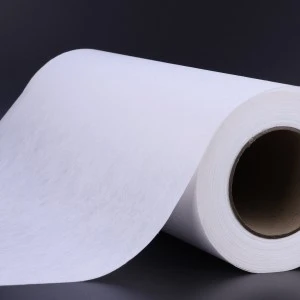
Dual-effect Filters:
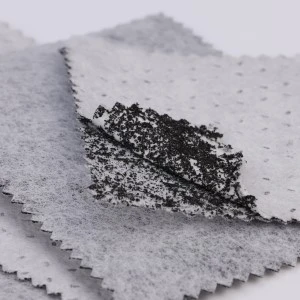
Dual-effect filters are based on single-effect filters but with an added layer of activated carbon, enhancing the absorption of odors, formaldehyde, and other harmful gases. However, the wind resistance is slightly higher than that of single-effect filters.
HEPA Filters:
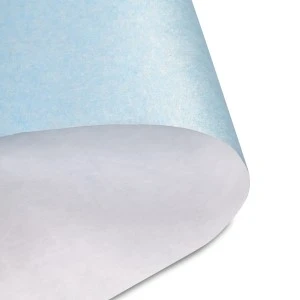
Abbreviation for High Efficiency Particulate Air filters, with a filtration efficiency of 99.97% or even higher for particles with a diameter of 0.3 micrometers. They effectively filter pollutants such as smoke, PM2.5, dust, , bacteria and other tiny particles in the air. However, they also have relatively high wind resistance. Before using this type of filter, you typically need to set your air conditioner to a higher fan speed, usually three or more.
How to choose:
In cities with relatively good air quality, single-effect/dual-effect filters are sufficient.
In industrial areas or cities with poor air quality, dual-effect/HEPA filters are necessary.
When selecting filters, consider first whether the blower of your car's air conditioner is powerful. If it is, you can consider dual-effect or HEPA filters. Conversely, if the blower is not very powerful and you only drive in cities with good local air quality, then selecting high-quality single-effect filters is sufficient.
No Information


