Products

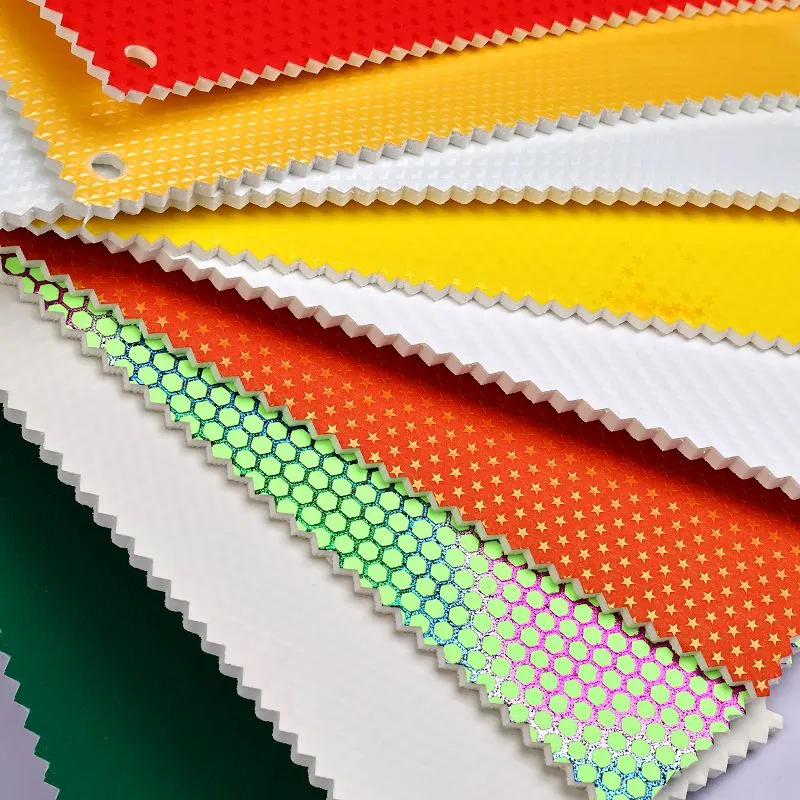
Machine Stitched Football Material

Machine Stitched Football Material

Soccer Ball PU Leather is a synthetic material made from Polyurethane (PU), which is engineered to imitate the look and feel of genuine leather. This material is widely used in the manufacturing of soccer balls due to its durability, cost-effectiveness, and consistent performance characteristics. The construction process involves applying a PU coating to a backing material, which can be either woven or non-woven fabric. The topcoat is then treated and embossed to give it a grain pattern that resembles natural leather. PU leather is known for being lightweight and having good abrasion resistance, which helps to maintain the ball's integrity during play.

Features

Shenzhen Haisheng Filter Materials : Your Trustworthy Soccer Ball PU Leather Manufacturer!

Our company was established in 2001 and mainly produces and processes composite materials for clothing, shoes and hats, handbags, luggage, sports equipment, air filters and other products. Our products include sports ball leather, filter materials, EVA materials, sound and heat insulation materials, and coating materials.

Rich Products

Our company Filter Materials, Medical Air Filter Paper, Cabin Filter Paper, PP Air Filter Paper, Vacuum Cleaner Filter Paper, Polyester Non Woven Fabric, PET Backbone Nonwoven Fabric, etc.


Advanced Production Equipment

Our company has advanced melt-blown cloth automation equipment, composite production lines, coating production lines, PUR composite equipment, high-precision automatic slitting equipment, automatic vibrating knife cutting equipment and other equipment.

Products Widely Used

The products produced by our company can be widely used in air filters, filter elements, surgical masks, protective clothing, football, American football, basketball, volleyball, beach tennis rackets and other fields.

Customizable

The products we produce can be OEM customized, and we will promptly inform customers of the follow-up status of the order, including samples, production progress, and transportation-related progress.


Related Product Introduction



Machine Stitched Football Material

Machine Stitched Football Material

Machine stitched football material typically refers to the outer shell of a football that is constructed using a sewing machine to join the panels together. This material needs to be durable, resilient, and capable of withstanding the rigors of play, including kicking, throwing, and handling. The most common material used for the outer cover of a football is cowhide leather, which provides an optimal grip and durability. However, synthetic materials such as polyurethane (PU) or composite leather are also widely used, especially for youth and practice balls, as they are less expensive and more readily available. These synthetic options can mimic the performance of genuine leather.

American Football PU Leather

American Football PU Leather

American Football PU leather is a synthetic material made from polyurethane that is designed to imitate the look and feel of genuine leather. PU leather is often used in the manufacturing of American footballs due to its durability, cost-effectiveness, and consistent performance characteristics.

Volleyball PU Leather

Volleyball PU Leather

Volleyball PU leather is a synthetic material made from polyurethane that is designed to mimic the properties of genuine leather while providing certain advantages in terms of durability, maintenance, and cost. In volleyball manufacturing, PU leather is often used for the outer cover of the ball because it offers a balance between performance and affordability.

American Football TPU Leather

American Football TPU Leather

American Football TPU Leather refers to synthetic material composed of thermoplastic polyurethane (TPU), which is engineered to simulate the characteristics of genuine leather. TPU is valued for its excellent abrasion resistance, flexibility, and durability, making it a suitable choice for sports equipment that undergoes significant wear and tear. In the context of American football, TPU leather is often utilized for the outer casing of footballs. The material is processed to create a surface that closely resembles the texture and performance of traditional cowhide leather. The advantage of using TPU over genuine leather includes a reduced need for maintenance, as TPU is generally more resistant to water, dirt, and oils, and it does not require conditioning.

Soccer Ball TPU Leather

Soccer Ball TPU Leather

American Football TPU Leather refers to synthetic material composed of thermoplastic polyurethane (TPU), which is engineered to simulate the characteristics of genuine leather. TPU is valued for its excellent abrasion resistance, flexibility, and durability, making it a suitable choice for sports equipment that undergoes significant wear and tear.

Volleyball TPU Leather

Volleyball TPU Leather

Volleyball TPU Leather is a synthetic material composed of thermoplastic polyurethane (TPU) that is designed to mimic the performance characteristics of genuine leather. This material is utilized in the manufacture of volleyballs due to its durability, resistance to abrasion, and ability to maintain its shape and bounce even after extensive use. The construction process involves bonding a layer of TPU to a woven or non-woven fabric backing. The TPU surface is then treated and embossed to give it a texture that provides a good grip, which is essential for the control and performance expected in volleyball games.

American Football PVC Leather

American Football PVC Leather

American Football PVC Leather is a synthetic material made from polyvinyl chloride (PVC) that is designed to emulate the look and feel of genuine leather. PVC leather is often used in the manufacturing of American footballs due to its durability, cost-effectiveness, and consistent performance characteristics. The material is composed of a PVC layer that is applied to a backing material, which can be either woven or non-woven fabric. The topcoat is then embossed to give it a grain pattern that resembles natural leather. PVC leather is known for being lightweight and having good abrasion resistance, which helps to maintain the ball's integrity during play.

Soccer Ball PVC Leather

Soccer Ball PVC Leather

Soccer Ball PVC Leather is a synthetic material made from polyvinyl chloride (PVC) that is engineered to imitate the properties of genuine leather. This material is frequently used in the manufacturing of soccer balls due to its durability, cost-effectiveness, and consistent performance characteristics. The construction process involves applying a PVC layer to a backing material, which can be either woven or non-woven fabric. The topcoat is then treated and embossed to give it a grain pattern that resembles natural leather. PVC leather is known for being lightweight and having good abrasion resistance, which helps to maintain the ball's integrity during play.

Volleyball PVC Leather

Volleyball PVC Leather

Volleyball PVC Leather is a synthetic material made from polyvinyl chloride (PVC) that is designed to mimic the look and feel of genuine leather. This material is often used in the manufacturing of volleyballs due to its durability, cost-effectiveness, and consistent performance characteristics.


What is Soccer Ball PU Leather


Soccer Ball PU Leather is a synthetic material made from Polyurethane (PU), which is engineered to imitate the look and feel of genuine leather. This material is widely used in the manufacturing of soccer balls due to its durability, cost-effectiveness, and consistent performance characteristics. The construction process involves applying a PU coating to a backing material, which can be either woven or non-woven fabric. The topcoat is then treated and embossed to give it a grain pattern that resembles natural leather. PU leather is known for being lightweight and having good abrasion resistance, which helps to maintain the ball's integrity during play.


Features of Soccer Ball PU Leather
 
01/

Ease Of Clean
Another benefit of PU leather is its inability to absorb water. This makes PU leather products much easier to clean and additionally makes it much easier to dry these products when they do become wet.

02/

Durability
PU leather is highly durable and can withstand the rigorous demands of soccer gameplay. It is resistant to abrasion, tearing, and cracking, ensuring that the soccer ball remains intact even during intense use.

03/

Softness
PU leather has a soft and smooth texture, providing a comfortable touch and feel during gameplay. It allows players to have better control over the ball and enhances their overall playing experience.

04/

Consistency
PU leather offers consistent performance characteristics, ensuring that the soccer ball maintains its shape, weight, and bounce over time. This consistency allows players to develop their skills and techniques without variations in ball behavior.


Process of Soccer Ball PU Leather
 

Material Selection
High-quality PU leather is chosen for the outer cover of the soccer ball. PU leather is a synthetic material that closely resembles genuine leather in appearance and texture.


Cutting and Shaping
The PU leather is cut into panels of the desired size and shape. Traditional soccer balls typically have 32 panels, but some modern designs may have fewer panels for a smoother surface.


Printing and Branding
If the ball requires any specific designs, logos, or branding, they are usually printed onto the panels at this stage using screen printing or other suitable methods.


Stitching
The panels are stitched together to form the spherical shape of the soccer ball. The stitching is typically done with a strong nylon or polyester thread. The most common stitching pattern is the pentagon-hexagon pattern, where pentagon-shaped panels are surrounded by hexagon-shaped panels.


Bladder Insertion
A rubber or latex bladder is inserted into the stitched panels through a small opening. The bladder is inflated to give the ball its shape and bounce. The opening is then closed, usually with a plug or a valve.


Heat and Pressure Treatment
The assembled soccer ball is subjected to heat and pressure treatment to ensure that the panels adhere firmly to each other and that the ball retains its shape. This process may involve placing the ball in a mold and applying heat and pressure for a specific duration.


Quality Control
The finished soccer balls are inspected for any defects or irregularities. They are checked for proper stitching, shape, weight, and overall quality to ensure they meet the required standards.


How to Choose Soccer Ball PU Leather


PU Leather Quality
Look for footballs made with high-quality PU leather. Leather should be durable, soft to the touch, and have good water resistance. It should also have a consistent texture and appearance. Avoid PU leather balls that feel cheap, rough, or peel easily.


Stitch
Check the stitching on the ball. The sutures should be tight, even, and secure. Look for balls with reinforced stitching or double stitching, as this increases durability and prevents the panels from coming apart easily.


Panel Structure
Consider the number and shape of panels. A traditional football has 32 panels, but some modern designs have fewer panels and a more seamless surface. Panel construction affects the flight characteristics and overall performance of the ball. Choose a panel configuration that suits your playing style and preferences.


Weight and Dimensions
Soccer balls come in different sizes and weights to accommodate players of different ages and skill levels. Standard sizes are usually labeled 3, 4, or 5, with size 5 being the most common size for adult play. Make sure to choose a ball that is appropriate for your age group and intended use.


Expected Usage
Determine the purpose of the football. Are you buying it for professional competition, recreational use, training or casual gaming? Different balls are designed for different levels of play and may have specific features to enhance performance. Choose a ball that suits your intended use and level of play.


How to Clean Soccer Ball PU Leather

Prepare a Cleaning Solution
Fill a bucket or basin with warm water and add a small amount of mild detergent. Avoid using harsh chemicals or abrasive cleaners as they can damage the PU leather.


Wipe The Ball
Use a soft cloth or sponge dampened with the cleaning solution to gently wipe the surface of the soccer ball. Pay attention to any areas that may have dirt, mud, or stains. Avoid scrubbing too vigorously to prevent damaging the PU leather.

Clean The Seams

Pay special attention to the seams and stitching of the ball, as dirt and grime can accumulate in these areas. Use a soft-bristled brush or an old toothbrush to gently scrub along the seams to remove any dirt or debris.

Rinse The Ball

Once you have cleaned the entire surface of the ball, rinse it thoroughly with clean water to remove any soap residue. Ensure that all the cleaning solution is thoroughly rinsed off.

Dry The Ball

Wipe the ball with a clean, dry cloth to remove excess water. Then, allow the ball to air dry completely in a well-ventilated area. Avoid exposing the ball to direct sunlight or heat sources, as this can damage the PU leather.


How to Store Soccer Ball PU Leather


Clean The Ball
Before storing the soccer ball, make sure it is clean and free from dirt, mud, or any other debris. Follow the cleaning instructions mentioned earlier to ensure the ball is thoroughly cleaned and dried.


Find a Suitable Storage Location
Choose a cool, dry, and well-ventilated area for storing the soccer ball. Avoid places with extreme temperatures, direct sunlight, or high humidity, as these conditions can damage the PU leather cover and affect the ball's performance.


Use a Ball Bag Or Container
To protect the ball from dust, dirt, and potential damage, consider storing it in a ball bag or container. Look for a bag or container that is specifically designed for soccer balls and provides adequate protection. Ensure that the bag or container is clean and dry before placing the ball inside.


Rotate The Ball Periodically
If you plan to store the ball for an extended period, it's a good idea to rotate it periodically. This helps prevent any flat spots from forming and maintains the ball's shape.


Check The Ball Regularly
While in storage, periodically check the ball for any signs of damage, deflation, or deterioration. If you notice any issues, address them promptly to prevent further damage.


Certificate


productcate-1-1
productcate-1-1
productcate-1-1
productcate-1-1
productcate-1-1
productcate-1-1


Frequently Asked Questions


Q: What is PU leather, and why is it commonly used in soccer balls?

A: PU leather, also known as polyurethane leather or synthetic leather, is a type of artificial leather material that is commonly used in various industries, including the production of soccer balls. PU leather is created by applying a layer of polyurethane to a fabric backing, which gives it a leather-like appearance and texture. PU leather is commonly used in soccer balls for several reasons. First and foremost, it offers durability. The PU coating provides resistance against abrasion, tearing, and cracking, making it suitable for the rigorous demands of soccer gameplay. It allows the ball to withstand repeated kicks, impacts, and friction without losing its shape or integrity. Additionally, PU leather is water-resistant. This is a crucial feature for soccer balls, as they are often used in outdoor environments where they can be exposed to rain, damp grass, or wet playing surfaces. The water-resistant property of PU leather helps prevent the ball from becoming waterlogged, maintaining its performance and reducing the risk of damage.

Q: How does PU leather compare to genuine leather in terms of durability?

A: Genuine leather is derived from animal hides and is known for its natural strength and durability. It has inherent properties that allow it to withstand wear and tear over time. Genuine leather can develop a desirable patina with age, which adds to its aesthetic appeal. On the other hand, PU leather is a synthetic material created by applying a layer of polyurethane to a fabric backing. While PU leather is designed to mimic the appearance and texture of genuine leather, its durability may not match that of the real thing.

Q: Is PU leather water-resistant, and how does it handle wet conditions?

A: Yes, PU leather is water-resistant, which means it has the ability to resist the penetration of water to some extent. This water-resistant property is one of the advantages of using PU leather in various applications, including soccer balls. When it comes to handling wet conditions, PU leather performs well compared to genuine leather. The polyurethane coating applied to the fabric backing of PU leather creates a barrier that helps repel water and prevent it from seeping into the material. This makes PU leather less susceptible to water damage, such as warping, stretching, or becoming waterlogged.

Q: What are the advantages of using PU leather for soccer ball covers?

A: Durability: PU leather is known for its durability and ability to withstand the rigors of soccer gameplay. It is resistant to abrasion, tearing, and cracking, making it suitable for intense use on various playing surfaces. The durability of PU leather ensures that the ball can maintain its shape and integrity over time, even with frequent kicks and impacts. Water Resistance: PU leather is inherently water-resistant, which is crucial for soccer balls used in outdoor environments. It helps to prevent the ball from becoming waterlogged, maintaining its performance characteristics and reducing the risk of damage. The water-resistant property of PU leather ensures that the ball remains playable even in wet conditions.

Q: Does the texture of PU leather affect ball control and player performance?

A: It's important to note that the specific texture of PU leather can vary depending on the manufacturing process and design choices. Different manufacturers may employ various textures to cater to different playing styles and preferences. Ultimately, finding the right texture that suits an individual player's preferences and playing style can contribute to better ball control and overall performance on the field.

Q: How does the stitching on a soccer ball with PU leather affect its durability?

A: In summary, the stitching on a soccer ball with a PU leather cover is crucial for its durability. Strong and well-executed stitching enhances seam strength, panel stability, resistance to wear and tear, water resistance, and the maintenance of shape and flight characteristics. It is important to select soccer balls with reliable stitching and to ensure proper care and maintenance to maximize their durability.

Q: Are there different types or grades of PU leather used in soccer balls?

A: It's important to note that the specific terminology and grading systems for PU leather can vary between manufacturers. Therefore, it's advisable to carefully review the product specifications and descriptions provided by the manufacturer to understand the specific type and grade of PU leather used in a particular soccer ball. When selecting a soccer ball, considering the type and grade of PU leather is important to ensure that it meets your desired level of performance, durability, and budget. Higher-quality PU leather generally offers better durability and performance but may come at a higher price point.

Q: Can the PU leather cover of a soccer ball be personalized or customized?

A: Yes, the PU leather cover of a soccer ball can be personalized or customized to a certain extent. Soccer ball manufacturers often offer customization options to cater to individual preferences, teams, clubs, or events.

Q: Does the color of the PU leather affect the ball's performance or durability?

A: However, it's worth noting that lighter-colored soccer balls may be more prone to visible dirt or scuff marks, which can affect the appearance of the ball. This is purely cosmetic and does not impact the performance or durability of the ball. Regular cleaning and maintenance can help mitigate any visible marks or discoloration. In summary, while the color of the PU leather cover can affect the appearance of the soccer ball, it does not significantly impact the ball's performance or durability. The performance and durability of the ball are primarily determined by factors such as construction, panel design, stitching, and overall quality.

Q: How does the weight and thickness of the PU leather cover impact the ball's flight?

A: It's important to note that the weight and thickness of the PU leather cover are just two factors among many that contribute to the overall flight of a soccer ball. Other factors, such as panel design, internal bladder construction, and inflation pressure, also play significant roles in determining the ball's flight characteristics. Soccer ball manufacturers carefully consider these factors and strive to find a balance between weight, thickness, and other design elements to create a ball that offers optimal flight performance while maintaining durability and playability.

Q: Are there any specific care instructions for maintaining the PU leather cover?

A: Cleaning: Wipe the ball down with a damp cloth after use to remove dirt and debris. For tougher stains, use a mild soap solution and a soft brush or cloth. Rinse thoroughly and allow to dry naturally away from direct heat sources. Conditioning: While PU leather does not require conditioning as frequently as genuine leather, you can use a suitable leather conditioner or a specialized PU leather protector to help maintain its suppleness and prevent cracking. Apply sparingly according to the product instructions.

Q: Can the PU leather cover be repaired if it gets damaged or torn?

A: Yes, PU leather covers can be repaired if they get damaged or torn. PU leather, also known as polyurethane leather, is a synthetic material that is designed to mimic the look and feel of genuine leather. Although it is generally more durable than genuine leather, it is not completely immune to damage.

Q: How does the price of a soccer ball with PU leather compare to other materials?

A: The price of a soccer ball with PU leather can vary depending on the brand, quality, and other factors. However, in general, soccer balls made with PU leather tend to be more affordable compared to those made with genuine leather or other high-end materials. PU leather is a synthetic material that is designed to mimic the look and feel of genuine leather while offering increased durability and lower production costs. These factors contribute to a lower price point for soccer balls made with PU leather. On the other hand, soccer balls made with genuine leather or other premium materials can be more expensive. Genuine leather soccer balls are often considered high-end and are priced accordingly due to the cost of sourcing and processing genuine leather.

Q: Are there any environmental considerations regarding the use of PU leather?

A: Raw Material: PU leather is a synthetic material made from polyurethane, which is derived from fossil fuels. The production of fossil fuels and the extraction of the necessary raw materials have environmental implications, including greenhouse gas emissions and habitat destruction. Manufacturing Process: The production of PU leather involves various chemical processes, including the use of solvents and additives. Some of these chemicals can be harmful to the environment if not properly managed. Additionally, the manufacturing process requires energy and water, contributing to resource consumption and potential pollution. Durability: One potential environmental benefit of PU leather is its durability. Compared to genuine leather, PU leather tends to be more resistant to wear and tear, which can extend the lifespan of products made with it. This can reduce the need for frequent replacements and, consequently, reduce waste. It's important to note that while PU leather has certain environmental drawbacks, it is generally considered to have a lower environmental impact compared to genuine leather, which has significant implications in terms of animal welfare and resource consumption. However, the overall environmental impact of any material depends on various factors, including its production, use, and disposal practices.

Q: Can a soccer ball with a PU leather cover be used on different playing surfaces?

A: In summary, a soccer ball with a PU leather cover can be used on different playing surfaces, including natural grass, artificial turf, indoor surfaces, and concrete or street surfaces. However, it's important to consider the specific characteristics of the playing surface and the intended use of the ball to ensure optimal performance and durability.

Q: Does the PU leather cover affect the ball's bounce or trajectory?

A: The PU leather cover of a soccer ball can have a slight impact on its bounce and trajectory, but the effect is generally minimal. The primary factors that influence the ball's bounce and trajectory are its internal construction, such as the bladder and panel design, as well as the inflation level. The PU leather cover itself is not as significant in determining the ball's bounce and trajectory compared to these internal factors. However, the texture and grip of the cover can affect how the ball interacts with the playing surface, which can indirectly influence its behavior.

Q: What factors should be considered when selecting a soccer ball with PU leather?

A: Intended Use: Consider the purpose for which you'll be using the ball. Are you looking for a ball for recreational play, training, or competitive matches? Different balls are designed with specific features to cater to different playing levels and environments. Size: Soccer balls come in different sizes to accommodate different age groups and playing levels. The standard sizes are 5 (adult), 4 (youth), and 3 (junior). Ensure you select the appropriate size based on the age group and intended use. Quality and Durability: Check the quality and durability of the ball. Look for a ball with a sturdy construction, reinforced stitching, and a durable PU leather cover. Higher-quality balls tend to last longer and withstand more rigorous play.

Q: How long can a soccer ball with PU leather be expected to last with proper care?

A: With proper care and maintenance, a soccer ball with a PU leather cover can last for several years. However, it's important to note that over time, the PU leather cover may show signs of wear, such as scuffs or fading. These cosmetic changes are normal and do not necessarily affect the ball's performance as long as the integrity of the cover is maintained. Remember to check the manufacturer's guidelines and recommendations for specific care instructions for your soccer ball, as different brands and models may have specific care requirements.

Q: Are there any recommended brands known for producing high-quality PU leather soccer balls?

A: It's important to note that while these brands have a reputation for producing high-quality soccer balls, individual models within each brand may vary in terms of features, performance, and price. It's always a good idea to read reviews, consider your specific needs, and compare different options before making a purchase.

Q: What are some common misconceptions or myths about soccer ball PU leather?

A: PU Leather is the same as genuine leather: One common misconception is that PU leather is the same as genuine leather. PU leather is a synthetic material designed to mimic the look and feel of genuine leather, but it is not made from animal hides. PU leather is typically more durable and less expensive than genuine leather. PU Leather is not durable: Another misconception is that PU leather is not durable. While PU leather may not have the same level of durability as some high-end materials, it is generally more durable than genuine leather. PU leather can withstand the rigors of regular soccer play and has good resistance to wear and tear.

Hot Tags: machine stitched football material, China machine stitched football material manufacturers, suppliers, factory, PET skeleton nonwoven fabric, artificial PU leather, sound insulation XPE foam, HVAC system filter paper, good quality melt blown, G2 primary efficiency filter

You Might Also Like

(0/10)

clearall